Featured
Table of Contents
If you're regreting, remember this: your despair reflects the depth of your connection. It's not something to "get over" yet instead to relocate through, lugging your love and memories onward into a life that, while for life altered, can still hold meaning and pleasure.
Pain is an all-natural emotional response to loss. Grieving is a procedure that can aid you involve terms with a loss, such as when a liked one dies. Everyone experiences sorrow in a different way. Your experience of sorrow and exactly how you manage it will rely on different aspects. These might include your age, previous experiences with pain and your spiritual or religious views.
Anticipatory despair means sensation depressing prior to the loss takes place. Rather than grieving for the individual, that is still with you, you might feel pain for things you won't obtain to do together in the future. When facing a significant loss, such as the fatality of an enjoyed one, it is natural to feel lots of solid emotions.
Individuals diagnosed with an incurable ailment and those encountering the fatality of a liked one might experience awaiting sorrow., you may experience many feelings including shock, worry and sadness.
The Therapeutic Experience for High-Achieving Healthcare Workers in Therapy
You regret lost opportunities or experiences you'll miss even small ones, such as the satisfaction of the sunshine or a hot mug of coffee. If somebody you like is encountering an incurable illness, it prevails to experience awaiting grief in the months, weeks and days before death. You could regret the exact same things your enjoyed one is mourning, or different losses entirely.
You may really feel anticipatory despair If your liked one is confused or unconscious for a very long time (e.g. with ecstasy or dementia). You might feel that the person you recognized is currently gone, even if they are still literally there. If your enjoyed one has a decrease in physical wellness or movement, you may really feel anticipatory sorrow as you shed the chance to share experiences, such as pastimes, holidays or occasions.
This is particularly real if you spend a whole lot of time caring for the individual. You might miss activities you used to delight in with each other and feel grief about the adjustment in your partnership. The nature of your connection might alter as you take on a carer's function, or become the one being taken care of.
Feelings of pain before death are regular it's essential to recognise them, and to chat regarding them. Experiencing awaiting despair doesn't always mean that you will grieve your enjoyed one any much less after they are gone.
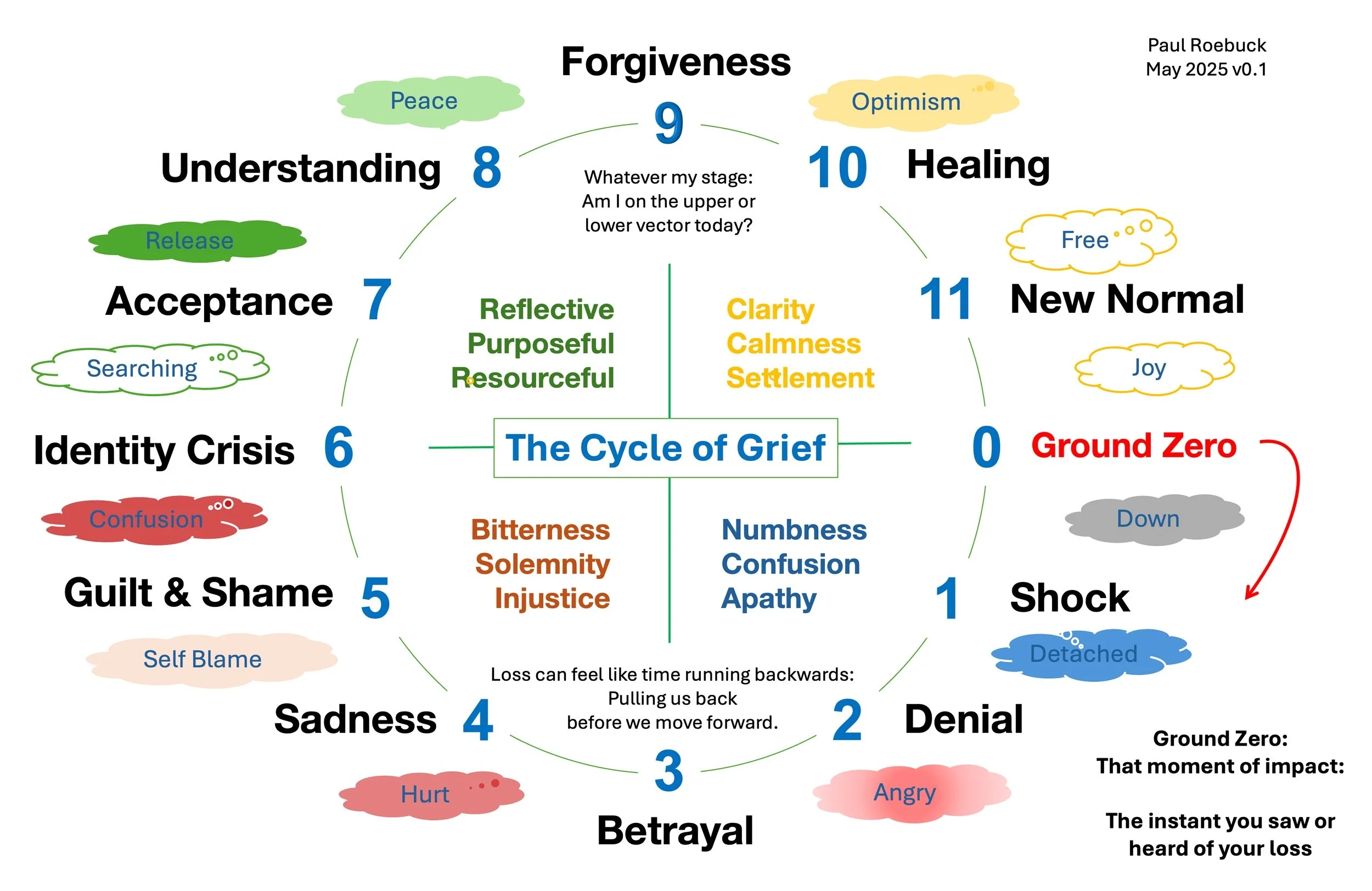
Check out the CareSearch website for web links to palliative care and end-of-life information in a series of community languages. Call Carer Portal on 1800 422 737 for sources to support for Aboriginal and/or Torres Strait Islander carers and areas. CareSearch offers information on comprehending bereavement, end of life and palliative care demands of the LGBTIQA+ community. Individuals speak about the five phases of despair as: denial rage negotiating anxiety approval. Actually, we do not experience feelings of grief individually or in a particular order. We understand that there are no collection phases that everyone experiences. You might experience these points because they are all normal sensations of pain.
Some individuals really feel numb after the fatality of a person they cared around. If you experience this, it can be because it's simply as well tough to believe that the person you understand so well is not coming back.
Developmental Repair for Healthcare Workers Through Therapy in the Local Area
Perhaps they guarantee themselves that they will currently always do (or not do) something, believing that it might make the individual who has died come back. People might likewise locate that they maintain going back over the past and ask lots of 'what if' inquiries, desiring that they might go back and transform points so that they might have turned out in different ways.
These feelings can be very extreme and unpleasant, and they might come and go over numerous months or years. Yet lots of people find that unpleasant sensations similar to this ended up being less strong in time. If you do not feel this is the instance for you, then you ought to ask for assistance.
Her version ended up being extensively approved as a means to understand despair, but over time, despair counsellors and researchers expanded upon it, bring about the growth of the. This prolonged model integrates added emotional feedbacks that people may experience: The preliminary reaction to loss often brings shock and shock. This stage functions as a protective mechanism, permitting us to soak up the fact of our loss in manageable doses.
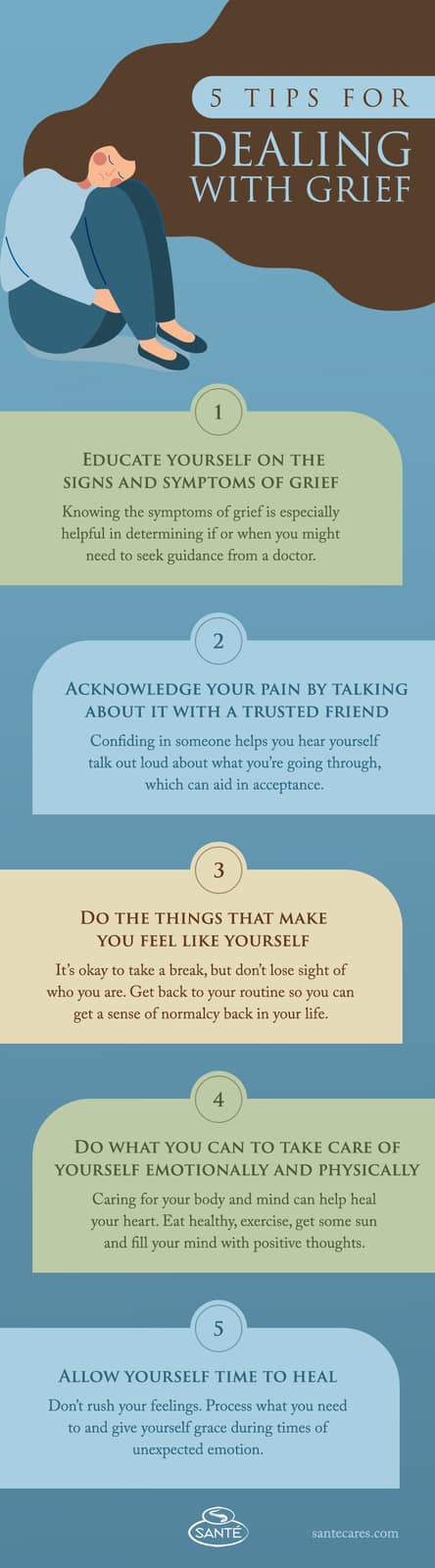
Sensations of regret or shame may arisewondering if you might have done something differently, or sensation grief over things left unexpressed. Sorrow can show up as angertoward yourself, others, or even the individual who has actually passed.

Latest Posts
Clarity Mastery within Relationship Eating Disorder
The Science Behind Family Therapy
Multifaceted LGBTQ+ Affirming Therapy in Portland, OR