Featured
Table of Contents
If you're having trouble trusting your therapist enough to open up, which is really normal, do not be afraid to bring that up. With that info, your specialist can deal with developing a structure of trust that will permit you to open more down the roadway. "Therapy is concerning a relationship between the client and the specialist," states Small.
It's perfectly regular to feel like you don't need treatment after a while. "As a therapist, we desire to work ourselves out of a task," claims Small. Yet before you quit, make sure you're finishing therapy since you absolutely obtained what you required out of your sessions, and not due to the fact that you're disappointed with your therapist.
-min.webp)
You can always speak with your specialist concerning putting more time in between sessions and seeing just how you really feel. If you presently see them for once a week sessions, as an example, you can try doing a month-to-month check-in. If something turns up and you intend to return to weekly sessions, you already have a foundation with a specialist you know and count on.
Manifestations That Need Quality Care
You can attempt discussing things that have happened in your life considering that your last session. You can likewise chat regarding your relationships and any difficulties you're dealing with. If you seem like you got what you required out of treatment and no much longer have points to raise, it may be an indicator that you're ready to quit or stop therapy.
This can consist of past injuries and sensations or ideas you really feel like you should censor. It can likewise include "little" things you really feel foolish raising. You can chat with a specialist about just how you really feel and what you assume. They will want to understand what obstacles you're facing and what goals you have for treatment so they can best assist you."No person has therapy all found out, also the specialist," says Hardy.
The size of therapy is rather variable, and the decision regarding the size of treatment rests collectively with the client and specialist. Some people stay for as short a time as 2 or 3 sessions, while others are in therapy for 2 or three years or more as they remain to go after objectives and practice abilities.
Despite the length of treatment, we strongly recommend that the final session be planned, to ensure that the therapist and patient can sum up the job that has actually been carried out in therapy and say "good-bye." This resolution is connected with much better lasting end result for the client than a sudden termination. People may pick to have "booster sessions" after routine treatment sessions have ended.
The Contribution of Mental Health Support in Healing Codependency
The individual can ask for a follow-up session several months or a year after regular sessions have ended. These booster sessions work as a sort of "tune-up" to help clients remain on track and continue to utilize the abilities they have actually found out in treatment, therefore maximizing their long-lasting gain from treatment.
All informed, on average, the client spends regarding an hour at the Center for Cognitive Treatment each time they come for a session. Depending on the schedules of the person and specialist, sessions can be held on the exact same day and time each week, or the session times may vary.
How Professionals Cope With with Self-Worth
On the other hand, if an individual feels that it is time to lessen the sessions, she or he might select to arrange sessions every various other week. Furthermore, some individuals choose to satisfy much less often for monetary reasons. The Center for Cognitive Therapy allows for this arrangement so clients can get therapy without excessive economic tension.
The goal of the consumption evaluation is to gather info to provide to the specialist in an effective method. The meeting is performed by a clinician-in-training, who is monitored by an accredited clinician. Individuals must anticipate to invest between 2 to 3 hours in the meeting, with at the very least one break.
Embracing the Crucial Step Toward Peace
Choices can be produced patients individually. For instance, does this individual require specialized interest for such troubles as suicidality or drug abuse? The patient can ask an elderly clinician any kind of concerns she or he may have, and can figure out if the Facility for Cognitive Treatment is a good suitable for him or her.
The director, Cory F. Newman, PhD, in combination with the senior medical professional that meets the person during the intake assessment, decides which Center for Cognitive Treatment therapist will treat which client. This choice is based partly on patient demand (to see a female specialist, as an example, or a specialist that focuses on a particular area).
How The Washington, DC Community Find Help from Effective Self Esteem Therapy
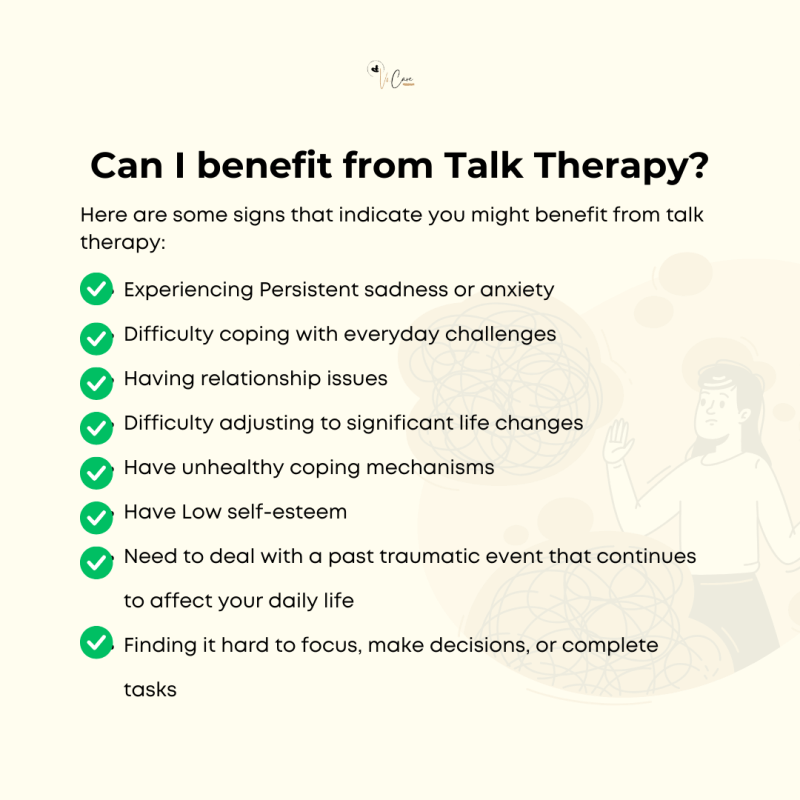
The specialists at the Facility for Cognitive Treatment are well educated throughout a number of locations, and thus have the ability to see a large range of patients. Each therapist focuses on establishing a feeling of common acceptance, respect, and teamwork with their people. Our specialists are prepared to deal with any problems that may cause pain in the healing partnership.
Newman is available to discuss this issue, though it is our plan to call for the patient and specialist to contend the very least one session to try to deal with the difficulty prior to transfers are made. One of the most important, positive changes that you will make in your life will certainly happen in your daily experiences beyond your specialist's office.
These projects will show you exactly how to use the ideas and skills you have actually found out in therapy between sessions. This procedure will certainly allow you to become your own therapist when your work with your cognitive specialist is complete.
These behavioral tasks can aid educate skills and can alter beliefs you have regarding yourself, regarding your future, concerning others, etc. Research may help your progress in treatment if you give it a try. You will certainly never ever be slammed if you have problem with it. It is your therapist's duty to create an environment in which you will do not hesitate to discover and learn and in which you will not need to stress concerning being judged.
The Impact of Professional Support in Resolving Inner Conflicts
Several people at the Facility for Cognitive Treatment get on medicines, such as antidepressants, state of mind stabilizers, etc. As a matter of fact, some research suggests that a combination of cognitive treatment and the appropriate medicines can be very beneficial. If you wish to start drugs along with cognitive treatment, we can help arrange a clinical examination at the Outpatient Facility of the Department of Psychiatry.
If you and your therapist believe it is called for, you can go over the family member benefits and disadvantages of including medicine to the therapy plan. Sometimes, we might need that a client be well maintained on medication prior to we start therapy. We do not currently provide pairs counseling or household treatment.
Although most of our individuals more than the age of 18, the Center occasionally deals with older teenagers on a case-by-case basis. All celebrations agree on what details will certainly be shown the moms and dad(s) and what info will be private. Many usually, nonetheless, we will certainly make a recommendation to a therapist that concentrates on treating kids or adolescents.

If you are calling to try to arrange a program of treatment for somebody over the age of 18, we will certainly be happy to pay attention to your issues, however you will not have the ability to make an appointment for anyone besides yourself. The individual himself or herself have to phone call to be set up for an appointment.

Latest Posts
Healing Relationship Trauma Via Trauma-Informed Relationship Therapy
Grief and Loss across Cultural Context
Why Attachment Styles for Mental Health with Professional Support